
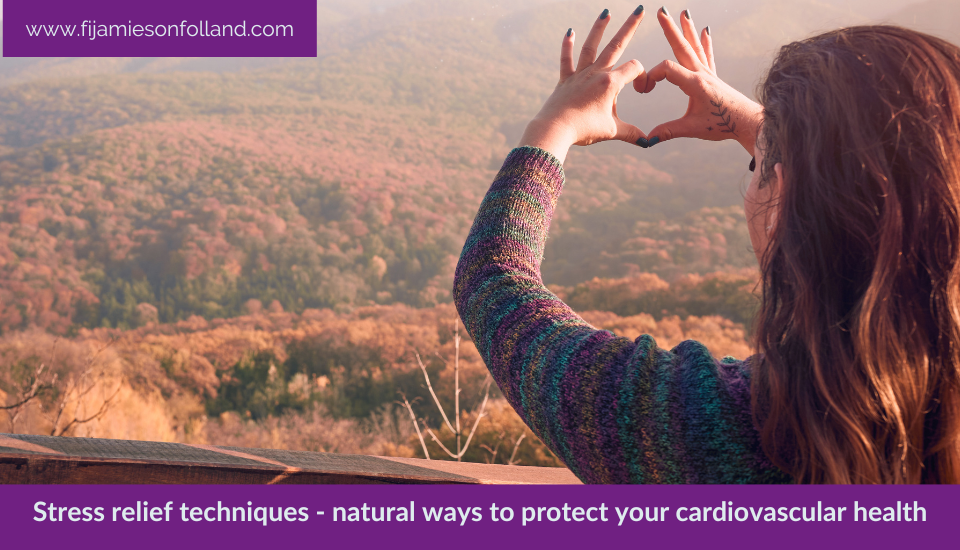
Stress is not just a feeling in the mind, it is a full-body experience that lives in your nervous system, in your blood vessels, in your heart rhythm, in your hormones, and in the silent conversations your cells have with one another every second of the day, which is why protecting your cardiovascular health requires more than simply ‘relaxing’ for a few minutes, it requires an understanding of how stress physically shapes your heart and metabolic system, and how intentional practices can shift that landscape profoundly.
The heart is exquisitely sensitive to the environment it inhabits, and chronic stress—whether emotional, physical, or environmental—creates patterns that, over time, increase cardiovascular workload, alter blood pressure, elevate inflammation, and disrupt metabolic balance.
Heart health is therefore inseparable from stress management, and this is not theoretical; it is a lived, measurable reality. When the body perceives danger, even subtle or chronic danger, stress hormones rise, blood vessels tighten, and heart rate patterns change in ways that protect short-term survival yet compromise long-term cardiovascular resilience.
Breath work
One of the most effective natural stress relief techniques is breath work, and yet it is often underestimated because of its simplicity. The breath is both a bridge and a control knob for the autonomic nervous system.
Slow, rhythmic breathing stimulates the parasympathetic nervous system, lowers heart rate, reduces blood pressure, and improves heart rate variability, which is a powerful marker of cardiovascular resilience.
Techniques such as box breathing, where you inhale, hold, exhale, and hold for equal counts, or coherent breathing, where the inhale and exhale are matched and lengthened, help the heart soften its rhythm and signal to the nervous system that it is safe to relax.
Even a few minutes of focused breath work daily can accumulate into measurable improvements over weeks.
Movement
A natural ally for the heart, movement is best approached thoughtfully, because stress relief is not synonymous with high-intensity training.
Gentle, consistent movement—walking, swimming, cycling at a conversational pace, tai chi, or yoga—supports cardiovascular health by enhancing circulation, reducing stress hormone levels, and providing a meditative rhythm that engages both body and mind.
Movement also improves metabolic flexibility, which means the body can switch efficiently between fuels, further reducing internal stress signals that the heart interprets as threats. Short walks during breaks, stretching sessions between work tasks, or brief mindful movement sessions can subtly although powerfully support heart health.
Sleep
Sleep is another crucial cornerstone. Chronic stress often disrupts sleep, and poor sleep creates a feedback loop where the nervous system remains in a heightened state, blood pressure rises, inflammation persists, and the heart operates in a constant state of alertness.
Protecting sleep with natural strategies—consistent bedtimes, dimming lights in the evening, limiting stimulating activities before rest, and creating a calm sleep environment—allows the nervous system to downshift, restorative hormones to surge, and the heart to recover from daily strain.
Even small improvements in sleep quality can have an outsized effect on long-term cardiovascular outcomes.
Mindfulness
Mindfulness meditation is a practice with robust evidence for stress reduction and heart protection. Mindfulness is not about emptying the mind or forcing positivity; it is about paying non-judgmental attention to the present moment.
When practiced regularly, mindfulness reduces sympathetic nervous system dominance, lowers cortisol levels, enhances heart rate variability, and improves emotional regulation. Short daily sessions, whether guided or self-directed, can reshape the way your nervous system responds to challenges, allowing the heart to operate in a more balanced, less reactive state.
Nutrition
Nutrition is intimately connected to stress and heart health, though often overlooked in conventional stress advice. Foods that stabilise blood sugar, support gut health, and provide essential micronutrients directly influence how the body reacts to stress.
Blood sugar swings trigger hormonal responses that elevate heart rate and vascular tension, while nutrient-rich foods such as leafy greens, colourful vegetables, high-quality proteins, nuts, seeds, and omega-3 rich foods help modulate inflammation and support nervous system balance.
Staying hydrated and limiting highly processed foods also reduces metabolic stress, indirectly supporting cardiovascular resilience.
Connection
Social connection is a surprisingly powerful, yet underutilised, heart-protective strategy. Loneliness and social isolation increase cardiovascular risk, elevate stress hormones, and reduce heart rate variability.
Meaningful interactions with friends, family, or community provide emotional support PLUS create physiological signals of safety that the heart responds to in real time. Even brief moments of connection, shared laughter, or listening deeply to another person can lower sympathetic activity and support cardiovascular recovery from daily stressors.
Time in nature
Nature exposure is another simple, natural intervention that has measurable effects on cardiovascular health. Time spent outdoors, particularly in green spaces, reduces cortisol levels, lowers blood pressure, improves mood, and enhances heart rate variability. Activities as simple as walking in a park, sitting under trees, or observing natural scenery can recalibrate the nervous system and give the heart a chance to rest from constant activation.
Sunlight exposure, fresh air, and rhythmic movement in nature amplify these benefits even more.
Reflection
Journaling and reflective writing also serve as natural stress relief techniques with heart benefits. Writing down emotions, challenges, and gratitude allows the brain to process experiences rather than carrying them unconsciously in the body.
When emotions are acknowledged and expressed safely, nervous system arousal decreases, stress hormones lower, and cardiovascular tension reduces. Journaling for even ten minutes per day can provide a measurable buffer against the chronic stress that strains the heart over time.
Relaxation
Progressive muscle relaxation is another technique that directly signals the nervous system that it is safe to rest. By intentionally tensing and then releasing muscle groups from head to toe, you give the body a tangible experience of release, which can have a dramatic impact – including lowering heart rate and reducing sympathetic dominance.
This practice can be integrated into evening routines or during short breaks to counteract stress that accumulates during the day.
I’ve found regular practice (for myself and many clients) of a process I call The Relaxation Response can produce significant benefits (as explained above).
Aromatherapy
Aromatherapy and sensory cues can also subtly influence heart health by lowering stress responses. Certain scents, such as lavender, chamomile, or bergamot, have been shown to reduce sympathetic nervous system activity, improve heart rate variability, and induce calm.
While not a primary intervention, pairing sensory experiences with other stress reduction strategies reinforces the nervous system’s signal of safety.
Sound
Music and sound therapy are another potent yet often overlooked natural method for heart protection. Listening to music that is calming or rhythmically aligned with slow breathing can reduce blood pressure, improve heart rate variability, and create a meditative state.
Even short sessions during breaks can reset the nervous system, providing the heart with restorative pauses amidst daily stressors.
Laughter
Laughter, often underestimated, has direct cardiovascular benefits. 1 Genuine laughter triggers parasympathetic activity, reduces stress hormone levels, and relaxes blood vessels. Engaging in activities that elicit joy—watching something funny, spending time with playful companions, or allowing yourself to experience amusement—acts as a mini-intervention that supports heart health in real time.
Hydration
Hydration and temperature regulation are small although important contributors to cardiovascular stress management.
Dehydration, even mild, increases heart rate and vascular tension, while extremes in temperature—overheating or chilling—can trigger sympathetic responses.
Mindful attention to hydration, moderate environments, and body temperature supports the heart by reducing unnecessary physiological stress.
Combos
Integrating multiple stress relief techniques amplifies potential benefits.
For example, combining a mindful walk in nature with deep breathing and music engages multiple senses and physiological pathways, enhancing PSNS (parasympathetic) activation more than any single method alone. This holistic approach creates redundancy in safety signalling for the nervous system, giving the heart repeated opportunities to relax and recover.
Predictability
Routine and predictability in daily life also protect the heart indirectly by reducing chronic stress.
Simple structures—consistent sleep schedules, planned meals, and predictable work patterns—reduce uncertainty and lower sympathetic nervous system activation. While flexibility is important, a baseline of predictability allows the nervous system to allocate energy toward recovery rather than constant vigilance, benefiting cardiovascular resilience over time.
Gratitude
Gratitude practices, beyond journaling, influence heart health through emotional regulation. Regularly reflecting on things you appreciate, whether silently or aloud, shifts attention from threat to resource, reducing stress chemistry and allowing the heart to operate in a more restorative state.
These practices do not need to be elaborate; even a few conscious moments per day produce measurable cardiovascular benefits.
Mind-body practices
Mind-body practices like tai chi, qigong, or yoga integrate movement, breath, and mindfulness into a single intervention that supports cardiovascular health naturally. These practices reduce stress hormones, improve heart rate variability, enhance vascular tone, and promote mental clarity.
Even short sessions of fifteen to twenty minutes can have cumulative benefits over weeks, improving heart resilience and emotional balance simultaneously.
Visualisation
Visualisation and guided imagery are often underutilised yet highly effective stress reduction techniques. Imagining calming scenes, safe environments, or mentally rehearsing peaceful experiences reduces sympathetic activation, lowers blood pressure, and creates a sense of cardiovascular ease.
Regular practice strengthens the nervous system’s ability to respond to real-life stressors more efficiently.
Contact
Touch and physical comfort also influence heart health indirectly through stress reduction.
Hugging, holding hands, massage, or self-massage trigger oxytocin (the ‘hug’ hormone) release, lower cortisol levels, and increase parasympathetic dominance, all of which reduce cardiovascular strain. Even brief physical contact can serve as a reset for the nervous system, particularly during stressful periods.
Self-awareness
Consistency and self-awareness are essential when using natural stress relief techniques.
Not every method works the same for everyone, and the heart responds to patterns more than isolated interventions. Tracking how different practices affect your energy, mood, and cardiovascular indicators allows you to customise a personal toolkit that is both effective and sustainable.
It is important to remember that stress management for heart health is not about perfection or eliminating all stress – it’s about cultivating resilience. Life will always present challenges, yet a heart supported by consistent, natural stress relief techniques is more capable of adapting, recovering, and thriving despite them.
Chronic stress does not need to dictate cardiovascular outcomes; intentional, holistic practices create a protective buffer that enhances both quality of life and longevity.
Ultimately, protecting your cardiovascular health naturally involves a multifaceted approach – conscious breathing, gentle movement, restorative sleep, mindfulness, nourishing nutrition, social connection, nature exposure, journaling, progressive muscle relaxation, sensory cues, music, laughter, hydration, and predictable routines, all woven together into a rhythm that signals safety to the nervous system and allows the heart to operate from a place of balance rather than constant activation.
The heart is remarkably resilient when given consistent opportunities to rest and recover, and natural stress relief techniques provide exactly that, turning daily living into a proactive, nurturing practice rather than a reactive, exhausting struggle.
See you on this week’s #AlivewithFi 🙂
Fi Jamieson-Folland D.O., I.N.H.C., is The LifeStyle Aligner. She’s an experienced practitioner since 1992 in Europe, Asia and New Zealand as a qualified Osteopath, Integrative Nutrition Health Coach, speaker, educator, writer, certified raw vegan gluten-free chef, and Health Brand Ambassador.

Facebook Instagram LinkedIn Pinterest YouTube
1 Laughter improves blood vessel function and increases blood flow (22% rise). University of Maryland study
https -//www.sciencedaily.com/releases/2005/03/050310100458.htm