
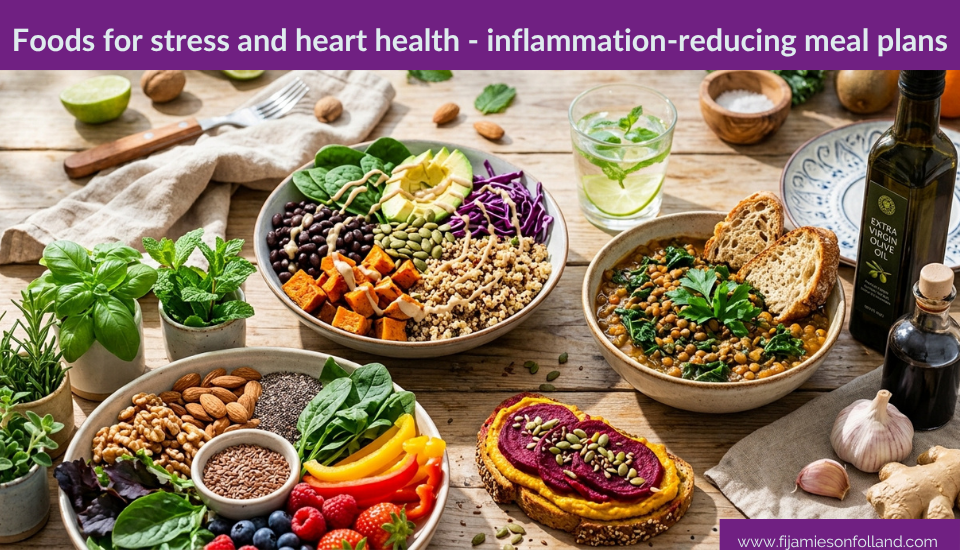
When we talk about protecting our heart, food is often described in terms of calories, weight management or individual nutrients, however a truly heart-supportive approach goes much deeper than numbers on a label. Every meal we eat sends messages throughout our body, influencing inflammation, energy production, blood sugar balance, digestion, immune function and the way our nervous system responds to the demands of everyday life.
This is the reason that the connection between diet, stress and heart health is so fascinating. The foods we choose can either support the body’s ability to adapt or add additional strain to systems that are already working hard. When we are under chronic stress, the body requires more support because the nervous system, immune system and cardiovascular system are constantly communicating and responding to changing circumstances.
An anti-inflammatory eating pattern is not about following a rigid set of rules or removing all enjoyment from food. It is about creating a nourishing foundation that gives the body the resources it needs to thrive.
It’s about choosing foods that support balance, provide steady energy and help create an internal environment where the heart can function at its best.
The most powerful changes often come from simple daily decisions. A colourful plate filled with whole foods, a meal shared with loved ones, taking time to eat slowly and choosing ingredients that genuinely nourish the body all contribute to long-term cardiovascular resilience.
Understanding the relationship between food, stress and the heart
Stress and nutrition are deeply connected because the body does not experience them as separate systems. When stress is high, many people notice changes in appetite, cravings, digestion and energy levels. Some may crave quick sources of energy, while others may lose interest in food altogether. These responses are not simply about willpower; they are influenced by complex communication between the brain, hormones, gut and metabolism.
The body is constantly attempting to maintain balance. When stress becomes prolonged, the demand placed on the body increases, and this can influence processes such as inflammation regulation, blood sugar control and recovery.
The heart is particularly sensitive to this internal environment because cardiovascular health depends on healthy circulation, flexible blood vessels, balanced energy production and efficient communication between different systems.
Food can become one of the most powerful ways we support this balance. A diet rich in colourful plant foods, quality proteins, healthy fats, herbs and spices provides compounds that help the body manage everyday challenges.
Rather than seeing food as simply fuel, it is helpful to think of food as information. Every meal provides signals that influence how the body responds, repairs and adapts.
Why inflammation matters for cardiovascular wellbeing
Inflammation is a natural and essential part of the body’s defence system. It helps us respond to injury, fight challenges and begin the repair process. The problem occurs when inflammatory signals remain elevated for long periods without adequate resolution.
Chronic stress can contribute to this imbalance because the body remains in a state of heightened readiness. When combined with poor dietary patterns, insufficient sleep, lack of movement and ongoing lifestyle pressures, this can create an environment where the body struggles to return to a calm state.
An anti-inflammatory diet focuses on providing the nutrients and plant compounds that support the body’s natural balancing processes. This means prioritising foods that are rich in antioxidants, fibre, minerals and phytonutrients.
The beauty of this approach is that it is not about searching for one magical ingredient. The greatest benefits come from variety and consistency. Different foods provide different compounds, and a diverse diet creates a richer nutritional environment.
A plate filled with different colours is often a sign that the body is receiving a wide range of protective nutrients.
Building an anti-inflammatory plate
A simple way to approach anti-inflammatory eating is to think about building a balanced plate rather than following complicated meal plans. The foundation begins with colourful vegetables because they provide fibre, antioxidants and plant compounds that support overall health.
Leafy greens, cruciferous vegetables, brightly coloured peppers, berries, herbs and other plant foods provide a wide range of beneficial compounds. These foods are not only supporting cardiovascular health; they’re also nourishing the gut microbiome, which plays an important role in communication between digestion, immunity and the brain.
The next important element is quality protein, which provides the building blocks needed for muscle maintenance, repair and healthy metabolism. Including a source of protein with meals can also help create more stable energy throughout the day, which may support better mood and reduced cravings.
Healthy fats are another important part of an anti-inflammatory approach. Foods such as extra virgin olive oil, avocados, nuts, seeds and oily fish provide fats that support cell membranes, brain function and cardiovascular wellbeing.
Finally, herbs and spices deserve special attention because they allow us to add powerful plant compounds without relying on complicated recipes. Turmeric, ginger, garlic, cinnamon, rosemary and many other herbs have been used traditionally for their supportive properties and can transform simple meals into something deeply nourishing.
Stabilising blood sugar to support stress resilience
One of the most overlooked connections between diet and stress is blood sugar balance. Many people experience fluctuations in energy, concentration and mood throughout the day without realising that their food choices may be contributing.
A meal that causes a rapid rise in energy followed by a significant drop can leave the body feeling stressed. This may appear as afternoon fatigue, irritability, strong cravings or difficulty concentrating.
Creating balanced meals helps reduce these extremes. Combining protein, healthy fats and fibre-rich carbohydrates provides a steadier release of energy and helps the body maintain a more stable internal environment.
This does not mean avoiding all carbohydrates.
It means choosing carbohydrates that provide nourishment and balance. Foods such as vegetables, legumes, berries and appropriately prepared whole-food sources can contribute valuable nutrients and fibre.
The goal is not restriction – instead it’s about creating meals that help you feel energised, satisfied and resilient throughout the day.
The gut-heart connection through food diversity
One of the most exciting areas of health research is the relationship between the gut and the heart. The digestive system is home to trillions of microorganisms that interact with our immune system, metabolism and nervous system.
The foods we eat influence this internal ecosystem. A diverse range of plant foods provides different types of fibre that support a healthier gut environment.
This is why eating a wide variety of vegetables, herbs, seeds, nuts and other plant foods is so valuable. Different fibres nourish different beneficial bacteria, creating a more diverse and resilient microbiome.
The gut also plays an important role in how we respond to stress. When digestion is supported, the body is better equipped to communicate effectively between the gut, brain and cardiovascular system.
A simple goal is to gradually increase food variety. Instead of focusing only on what foods to remove, consider how many different nourishing foods you can include.
The question changes from ‘what can I no longer eat?’ to ‘how can I give my body more of what it needs?’
That shift creates a much healthier relationship with food.
Creating breakfast choices that support calm energy
Breakfast is often described as the most important meal of the day, and while every person’s needs are different, the first meal can influence energy, concentration and stress resilience throughout the morning. Many people begin the day with foods that provide quick energy – whilst providing little nutritional support, which can lead to fluctuations in blood sugar and increased cravings later.
A stress-supportive breakfast focuses on creating stability rather than simply filling the stomach. Including protein, healthy fats and fibre helps provide sustained energy and gives the body the nutrients it needs to manage the demands of the day.
A nourishing breakfast might include a bowl containing berries, nuts, seeds and nourishing plant-based ingredients, or a meal built around quality protein (eg tofu or pea protein) combined with fibre-rich foods. The exact choices are less important than the overall principle of creating a meal that supports steady energy.
There’s also an emotional component to breakfast that is often overlooked. Beginning the day with a rushed meal eaten while distracted sends a different message to the body compared with taking a few moments to sit, breathe and appreciate nourishment.
The way we eat matters as much as what we eat. A calm eating environment supports digestion and allows the body to shift into a more receptive state.
The power of colourful plant foods
One of the simplest principles of an anti-inflammatory diet is to increase the variety and colour of plant foods on the plate. The beautiful colours found in vegetables, fruits, herbs and spices are often created by naturally occurring compounds that support the body in different ways.
Deep green vegetables provide valuable nutrients, while red, purple, orange and yellow foods offer their own unique range of plant compounds. Rather than focusing on one ‘superfood,’ a more powerful approach is creating a rainbow of foods throughout the week.
This variety supports the body’s natural defence systems and contributes to a more diverse gut environment. It also makes meals more enjoyable because food becomes an experience rather than simply a task.
Many people underestimate the psychological benefits of eating vibrant foods. Preparing a colourful meal can become an act of self-care, a reminder that caring for your heart is not about deprivation however about creating a relationship with nourishment.
A plate filled with different colours represents a wide range of support for the body’s complex systems, whilst also being visually appealing.
Healthy fats and their role in heart resilience
For many years, dietary fat was misunderstood, however we now have a much deeper appreciation for the importance of choosing the right types of fats. Healthy fats are essential components of cell membranes, support brain function and contribute to a balanced approach to cardiovascular health.
The heart is an incredibly active organ, and every heartbeat depends on effective communication between cells. The quality of fats within the diet influences the environment in which these cells function.
Foods such as extra virgin olive oil, avocados, walnuts, chia seeds, flaxseeds and oily fish provide valuable fats that can be incorporated into a balanced eating pattern.
Another benefit of healthy fats is their ability to improve satisfaction after meals. When meals contain nourishing fats alongside protein and fibre, many people find they experience more stable energy and fewer cravings.
This is especially important during periods of chronic stress because the body often seeks quick sources of comfort and energy. Providing genuine nourishment can help reduce the cycle of reaching for foods that leave us feeling depleted afterwards.
Healthy fats are not something to fear. They are an important part of creating meals that support the heart, brain and overall wellbeing.
Herbs and spices as everyday wellness tools
One of the easiest ways to make an anti-inflammatory diet more enjoyable is to embrace herbs and spices. These small additions can transform ordinary meals while providing a rich source of naturally occurring plant compounds.
Traditional cultures around the world have used herbs and spices for centuries as part of their approach to wellbeing. Modern research continues to explore how these natural compounds interact with the body’s processes.
Adding fresh herbs to salads, including spices in cooking, using ginger in drinks or incorporating garlic into savoury dishes are simple ways to increase variety. The Mediterranean diet is a great example of this. 1
The benefit is not only nutritional. The sensory experience of preparing and eating food can also influence our relationship with meals. The aromas, flavours and colours of herbs and spices encourage us to slow down and become more present.
Cooking can become a mindfulness practice. Instead of viewing meal preparation as another chore, it can become an opportunity to reconnect with the body and create something supportive.
Meal planning without stress
One of the reasons people struggle to maintain healthy eating habits is that food decisions often happen when they are already tired, busy or overwhelmed. Planning meals in advance can reduce this stress – although it’s important that meal planning does not become another source of pressure.
The goal is not to create a perfect schedule – it’s to make nourishing choices easier.
A simple approach is to prepare a few foundational ingredients that can be combined in different ways throughout the week. Having vegetables prepared, quality protein available and healthy fats ready to add to meals can make supportive choices much more convenient.
Flexibility is also important. Life does not always follow a plan, and a sustainable approach allows room for change.
The healthiest eating pattern is the one you can continue during real life, including busy days, social occasions and unexpected challenges.
Food needs to support your life, rather than creating additional stress within it.
Eating slowly and supporting digestion
In our fast-paced world, many people focus heavily on what they eat yet rarely consider how they eat. The speed, environment and emotional state surrounding a meal can influence the digestive experience.
Eating quickly while distracted can prevent the body from fully shifting into a relaxed digestive state. Taking time to slow down allows the nervous system to recognise that nourishment is arriving.
Simple practices can make a difference.
Taking a few breaths before eating, putting utensils down between bites, noticing flavours and chewing thoroughly all encourage greater awareness.
This approach also improves our ability to recognise hunger and fullness signals. Instead of eating according to external pressures or emotional triggers, we become more connected to the body’s natural communication.
Mindful eating is not about being perfect or analysing every bite. It’s about bringing more presence into one of the most important daily rituals we have.
When meals become moments of nourishment rather than rushed activities, they can support both digestion and emotional wellbeing.
Creating anti-inflammatory meal patterns for everyday life
The most effective heart-supportive eating approach is not one that exists only during periods when life feels organised and calm. It is the approach that can continue through busy weeks, celebrations, travel, unexpected challenges and the normal ups and downs of being human.
This is where meal patterns become more important than individual meals. One nourishing choice is valuable, although a consistent pattern of supportive choices creates the environment where the body can truly thrive.
A simple anti-inflammatory meal pattern begins with abundance rather than restriction. Instead of starting with what needs to be removed, begin by asking what can be added. More colourful vegetables, more herbs and spices, more variety, more fibre-rich foods, more nourishing fats and more meals prepared with care.
This mindset creates a very different relationship with food. Rather than feeling as though we are constantly giving things up, we begin to see eating as an opportunity to provide the body with the resources it needs.
For heart health, this approach is particularly powerful because cardiovascular wellbeing is influenced by hundreds of daily signals. The body responds to the overall pattern, not one isolated meal.
The goal is not perfection – it’s about cultivating a lifestyle where supportive choices become the natural default.
Supporting stress resilience through nutrient timing
While the quality of food matters enormously, the timing and rhythm of eating can also influence how the body experiences stress. Many people unknowingly create additional pressure by skipping meals, eating at irregular times or relying on quick energy sources when they are exhausted.
The body appreciates rhythm. Consistent nourishment helps create a sense of stability, allowing energy systems to function more effectively throughout the day.
This does not mean everyone needs to follow the same eating schedule. Individual needs vary depending on lifestyle, activity levels and personal circumstances. However, many people benefit from avoiding long periods of under-fuelling followed by large meals consumed when they are extremely hungry.
When we wait until we are completely depleted, it becomes much harder to make thoughtful choices. The body naturally seeks immediate energy and comfort.
Creating balanced meals at appropriate intervals can support steadier energy, improved focus and a calmer relationship with food.
A nourished body is generally better equipped to handle challenges than a body constantly running to catch up.
The emotional side of food and heart health
Food is deeply connected to memory, culture, relationships and emotion. It is not simply a collection of nutrients; it is part of our human experience.
Many people carry complicated emotions around food, often influenced by years of conflicting messages about what they should or should not eat. This can create unnecessary stress around something that ideally provides nourishment and enjoyment.
A heart-supportive approach recognises that emotional wellbeing is part of physical wellbeing. Enjoying a meal with loved ones, celebrating special occasions and appreciating food are all important parts of a healthy life.
The aim is not to create fear around eating, which can become another form of stress.
Instead, we can learn to make choices from a place of care. We can choose foods that support our body while still allowing space for enjoyment and connection.
A relaxed and positive relationship with food supports the same goal as an anti-inflammatory diet – allowing balance.
Hydration and the foundations of cardiovascular health
Hydration is one of the simplest aspects of health, yet it is often overlooked. Water plays a role in circulation, temperature regulation, digestion and many processes throughout the body.
When the body is not adequately hydrated, energy levels and concentration may suffer, and the body can experience additional strain.
A good hydration routine begins with awareness. Rather than waiting until intense thirst appears, regular fluid intake throughout the day helps maintain balance.
The quality of hydration habits also matters. For many people, beginning the morning with water, keeping fluids accessible throughout the day and choosing hydrating foods such as vegetables and fruits can be simple ways to support wellbeing.
Hydration works alongside nutrition. A nourishing diet provides the building blocks, while adequate fluids help the body use those resources effectively.
Sometimes the most powerful health strategies are also the simplest.
Making the kitchen a place of healing
The kitchen is more than a place where food is prepared. It can become a place where health habits are created, where family traditions continue and where we reconnect with the simple act of caring for ourselves.
In a world where convenience often dominates, preparing even a few meals at home each week can have a profound impact. It allows us to choose ingredients intentionally and reconnect with the process of nourishment.
Cooking does not need to be complicated. Some of the most supportive meals are simple combinations of whole foods prepared with care.
A bowl filled with colourful vegetables, a source of quality protein, nourishing fats and herbs can provide everything the body needs without requiring elaborate recipes.
There is also a deeper emotional benefit to preparing food. The act of cooking can become a grounding practice, bringing attention away from stress and back into the present moment.
The kitchen can become another place where we practise heart health.
A sustainable anti-inflammatory lifestyle for lifelong heart support
The greatest gift we can give our heart is consistency.
Not perfection, not extreme approaches and not short periods of intense effort – instead a lifelong pattern of choices that support resilience.
An anti-inflammatory meal plan is not simply a diet. It is a way of creating an environment where the body has the nutrients, energy and support it needs to function well.
When combined with movement, restorative sleep, meaningful relationships and effective stress management, food becomes part of a much larger picture of cardiovascular health.
Every meal is an opportunity to communicate care to the body.
Every choice is an opportunity to strengthen resilience.
Every day provides another chance to support the incredible system that allows us to experience life.
Heart health begins long before a problem appears. It begins in the quiet moments when we choose to nourish ourselves, slow down and pay attention.
The relationship between food, stress and the heart is not about fear. It is about empowerment.
By choosing foods that support balance, reducing unnecessary inflammatory stress and creating a calmer relationship with eating, we can build a foundation for a stronger heart and a healthier future.
See you on this week’s #AlivewithFi 😉
Fi Jamieson-Folland D.O., I.N.H.C., is The LifeStyle Aligner. She’s an experienced practitioner since 1992 in Europe, Asia and New Zealand as a qualified Osteopath, Integrative Nutrition Health Coach, speaker, educator, writer, certified raw vegan gluten-free chef, and Health Brand Ambassador.

Facebook Instagram LinkedIn Pinterest YouTube
1 Primary Prevention of Cardiovascular Disease with a Mediterranean Diet Supplemented with Extra-Virgin Olive Oil or Nuts – New England Journal of Medicine – Estruch R, Ros E, Salas-Salvadó J, et al.